
Start with the morning
Noon chai and bread from a kandur is the daily meal visitors replace with cornflakes. Girda, lavasa, tsot, butter, salt tea. The first cup of noon chai will taste odd. Stay for the second. The full note is noon chai and bakeries.
In winter, harissa — slow-cooked meat and grain, eaten early in the old city — is a breakfast with a purpose. It is not on every hotel menu, and it should not be. Go out for it.
Wazwan and ordinary meat plates
A full wazwan is a group meal on a trami. Read how to eat it before you order one for two people at lunchtime. On other nights, a single rista or a gushtaba with rice is plenty, and closer to a normal dinner.
Seekh and kebabs exist and they are not a betrayal of the local kitchen. They are just not the thing you cannot find elsewhere.
Vegetables, cheese, fish
Haak (collard greens), dum aloo, nadru (lotus stem) and a dish of mattar are the vegetarian plates to ask for by those names. A kitchen can feed you without meat. It should not have to pretend a meat banquet is a salad.
Trout in Pahalgam and around Kokernag is the local fish story. Ask if it is from today. If the answer is theatrical, order something else.
Saffron, later
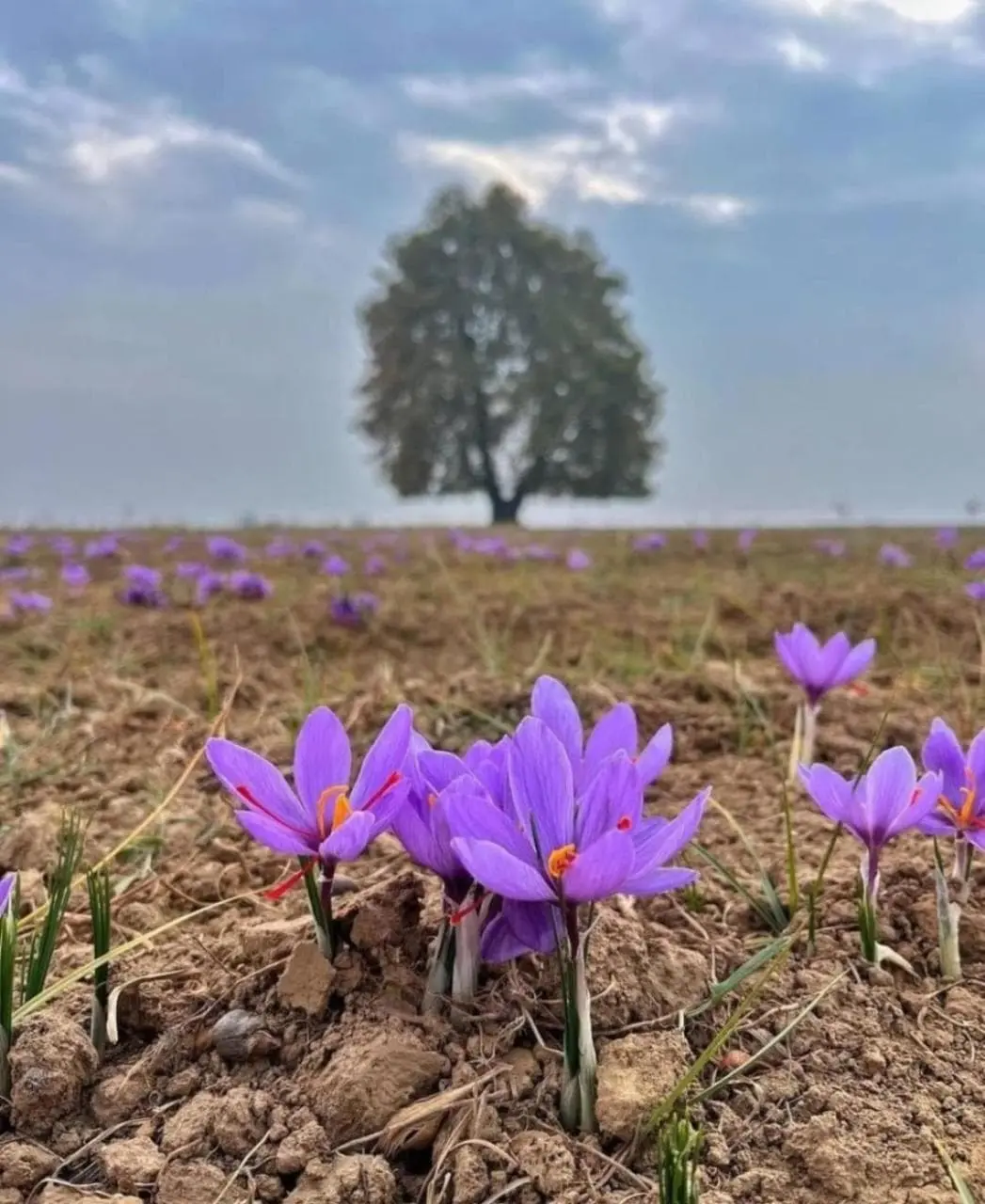
Saffron is an ingredient and a crop, not a garnish for every dessert on a buffet. Taste it in kehwa if you want it in a cup. Buy it in Pampore season, in grams, or do not buy it.
How to choose a place
This guide does not rank restaurants. A busy room of local families at 1pm is a better signal than a neon “wazwan” sign aimed at a coach. If a driver parks and walks in with you, assume a commission until proven otherwise. You are allowed to choose the place after he has left.